Nutrition Guide
Is Makhana Good for Diabetics? Glycemic Index & Portion Guide
Can diabetics eat makhana? Yes — when portions are sensible. Learn fox nuts glycemic index, how much makhana per day is safe, best flavours for sugar control, and what to avoid.
Can diabetics eat makhana?
Yes — makhana (fox nuts / lotus seeds) is widely considered a diabetic-friendly snack in India when eaten in measured portions. Unlike fried namkeen, sugary biscuits or refined flour snacks, roasted makhana combines plant protein, dietary fibre and complex carbohydrates that release energy gradually instead of spiking blood sugar sharply.
Doctors and dieticians often recommend fox nuts because they are naturally low in fat, cholesterol-free and gluten-free before seasoning. The key word is portion control: makhana is not "free food." It still contains carbohydrates, so eating half a jar while watching TV can raise glucose just like any other carb-heavy snack.
Swastik Sidhi roasts makhana at our FSSAI-registered Darbhanga facility without deep frying — a important distinction for people managing type 2 diabetes, prediabetes or insulin resistance. Roasted fox nuts behave very differently from fried market makhana coated in heavy oil.
Makhana glycemic index explained
Glycemic index (GI) measures how quickly a food raises blood glucose. Foods below 55 are generally considered low-GI; 56–69 moderate; 70+ high. Roasted makhana typically falls in the low-to-moderate range — often cited around 35–55 depending on preparation — partly because of its protein and fibre content.
Protein and fibre slow digestion. A 30g serving of fox nuts delivers roughly 3.3g protein and 2.3g fibre alongside complex carbs — that combination blunts the sharp glucose spike you get from white bread, potato chips or sweetened tea biscuits.
Flavour matters for GI too. Salt & pepper and pudina makhana add minimal sugar. Flavours with cheese or tangy coatings still work for most diabetics in small portions, but avoid pairing any snack with sugary chai, fruit juice or cold drinks — liquid sugar hits the bloodstream faster than solid food.
Safe portion sizes for diabetics
A practical starting point: 25–30g of roasted makhana per sitting — about one-third of a standard 90g jar — once or twice a day depending on your meal plan and doctor's advice. That portion delivers roughly 95–115 kcal, which fits most diabetic meal frameworks when swapped for less healthy evening snacks.
Use a small bowl instead of eating from the jar. Mindless refills are the number-one reason "healthy" snacks fail blood sugar goals. If you monitor glucose with a CGM or glucometer, test your personal response after 60–90 minutes — everyone's tolerance differs based on medication, activity and overall diet.
Spread intake across the day rather than stacking fox nuts on top of full meals. Treat makhana as a bridge snack between lunch and dinner, not an appetiser before rice, roti and dal. The goal is replacing high-GI junk, not adding extra calories.
Best makhana flavours for blood sugar control
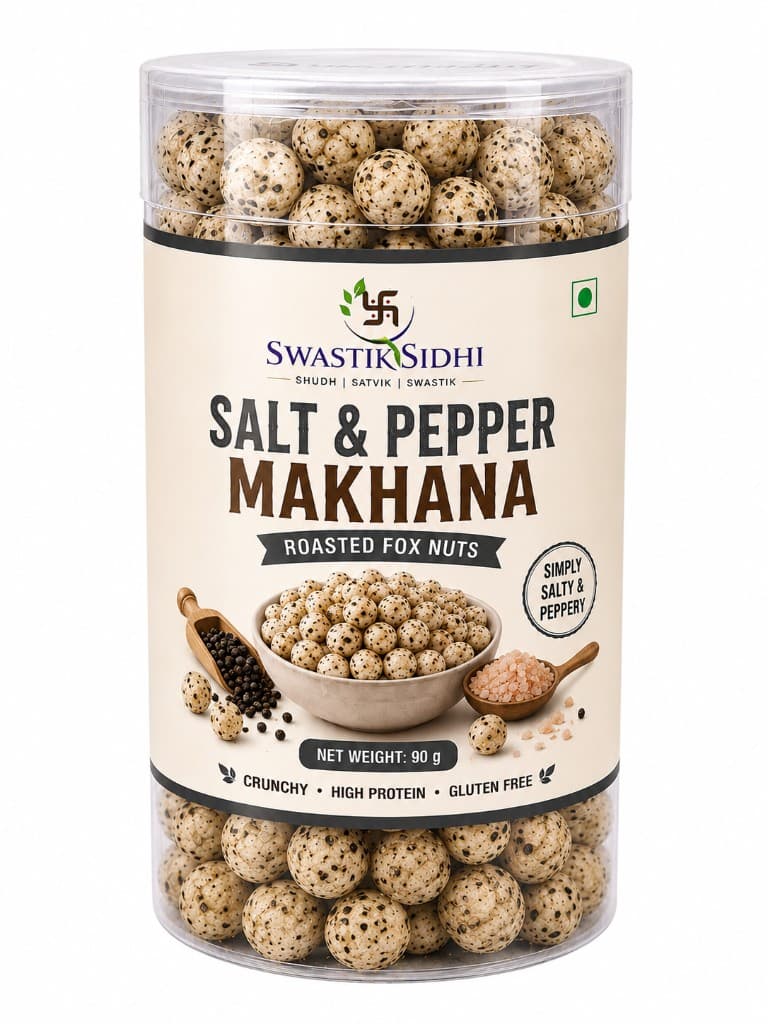
Salt & pepper makhana is the top pick for minimal ingredients — just fox nuts, salt and cracked pepper with light roasting oil. Pudina makhana is similarly clean with cooling mint notes and no sweet coating.
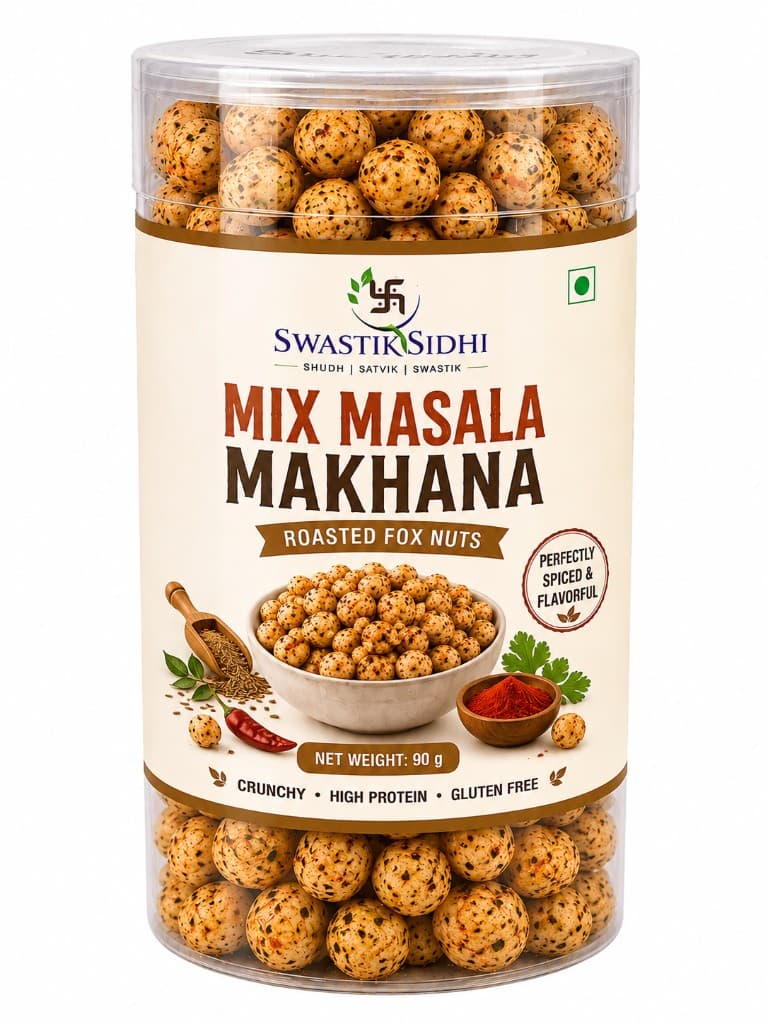
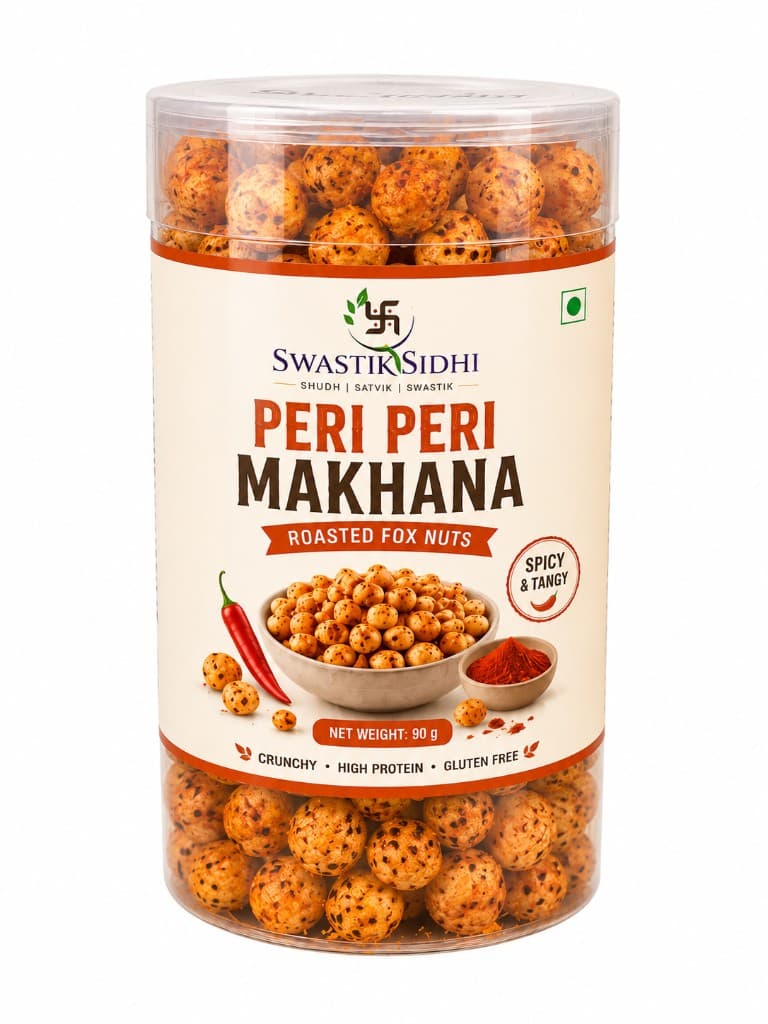
Mix masala and peri peri add spice without sugar — good options if plain makhana feels boring. Cream & onion and tangy cheese work in 20–25g portions for variety; check labels for milk solids if you also manage cholesterol.
What to skip: fried makhana from unlabelled street vendors, honey-coated or caramelised fox nuts, and any pack without a clear ingredient list or FSSAI licence number. Deep-fried makhana behaves like any fried snack — high fat, easy to overeat, harder on insulin sensitivity.
Best times to eat makhana with diabetes
Late afternoon (4–6 PM) is ideal — the hunger gap before dinner when biscuits and samosas do the most damage. A measured bowl with unsweetened chai or black coffee keeps you full until a proper dinner of dal, vegetables and controlled rice or roti portions.
Pre-workout: 20–25g fox nuts 30 minutes before walking, yoga or gym gives steady energy without a sugar crash. Post-meal snacking within 30 minutes of lunch or dinner is usually unnecessary unless your dietician has planned it — avoid stacking carbs on carbs.
Late night: if genuine hunger strikes after 9 PM, 15–20g makhana beats ice cream or instant noodles. Keep it small — sleep quality and fasting glucose both improve when the last snack is light and protein-forward.
Makhana vs other diabetic snack options
Roasted chana and peanuts are excellent — higher protein and fat than makhana, but also higher calories per handful. Makhana wins on volume: you get more crunch per calorie, which helps psychological satisfaction when cravings hit.
Rice cakes and plain crackers are low calorie but low protein — hunger returns quickly. Fox nuts keep you fuller longer thanks to protein-fibre synergy — the same reason makhana for weight loss searches overlap heavily with diabetes queries.
Compared to sugar-free biscuits (often ultra-processed with maltitol or refined flour), roasted makhana is a whole food with transparent ingredients. Swastik Sidhi lists every jar's contents — no hidden syrups or mystery coatings.
Sample diabetic-friendly snacking day
Breakfast: vegetable poha with peanuts or a sattu drink — skip makhana here if breakfast is already carb-heavy. Mid-morning: optional 20g salt & pepper makhana only if lunch is delayed past 1 PM.
Afternoon: 30g pudina or mix masala makhana with unsweetened chai — replaces two samosas or one plate of fried bhujia. Evening: 25g peri peri makhana if dinner is after 8 PM and hunger is real, not boredom.
Total from makhana: roughly 150–200 kcal with 5–7g plant protein — a manageable addition when it replaces higher-GI alternatives, not when piled on unchanged meals.
Important cautions every diabetic should know
Makhana does not replace medication, exercise or medical advice. Always consult your doctor or dietician before changing your meal plan — especially if you use insulin or sulfonylureas where carb timing matters.
Track your own glucose response. Published GI values are averages; your body may react differently to peri peri seasoning, portion size or time of day. A two-week food-and-glucose diary beats generic internet advice.
Buy roasted, labelled, FSSAI-registered makhana. Swastik Sidhi ships seven flavours in sealed 90g jars from Darbhanga, Bihar — batch-checked, pan-India delivery, and transparent nutrition you can trust for daily diabetic snacking.
Frequently Asked Questions
- Is makhana safe for type 2 diabetes?
- Yes, in moderate portions (typically 25–30g per sitting). Roasted makhana is lower GI than many fried snacks and provides protein and fibre that slow glucose absorption. Always follow your doctor's meal plan.
- What is the glycemic index of makhana?
- Roasted makhana is generally low-to-moderate GI (often cited around 35–55). Exact numbers vary by preparation — roasted beats fried, and plain flavours beat sweetened coatings.
- How much makhana can a diabetic eat daily?
- Most guides suggest 25–30g once or twice a day as a snack replacement — roughly one-third of a 90g jar per sitting. Measure portions and monitor your blood sugar response.
- Which makhana flavour is best for diabetics?
- Salt & pepper and pudina are the cleanest picks with minimal added ingredients. Avoid fried, honey-coated or unlabelled market makhana.
Shop Swastik Sidhi
FSSAI registered · Roasted in Darbhanga, Bihar · Pan-India delivery on makhana & sattu
Shop Diabetic-Friendly Makhana