Nutrition Guide
Makhana vs Popcorn: Which Is the Healthier Snack?
Choosing between makhana and popcorn for movie nights or evening chai? This 700-word guide compares nutrition, calories, protein and health benefits so you pick the smarter snack.
Makhana vs popcorn: the quick answer
Both makhana (fox nuts / lotus seeds) and popcorn are whole-grain-style snacks that people reach for during movies, cricket matches and late-night cravings. Popcorn is air-popped maize; makhana is the puffed seed of the lotus plant, traditionally harvested in Bihar's wetlands.
For most health goals — weight loss, higher protein, lower glycemic load and cleaner ingredient lists — roasted makhana has a clear edge over butter-loaded cinema popcorn or packaged microwave bags. Plain air-popped popcorn without oil or sugar can be healthy too, but flavoured commercial popcorn often carries hidden calories that makhana avoids when roasted with light seasoning.
Calories and macronutrients compared
Plain air-popped popcorn delivers roughly 375 kcal per 100g with about 3g protein and 4g fibre. Roasted makhana sits near 350 kcal per 100g but offers nearly 9–10g protein and 7–8g fibre — roughly triple the protein of popcorn cup-for-cup.
That protein gap matters for satiety. A 30g handful of makhana (~113 kcal) gives you meaningful plant protein that helps you feel full through an evening of TV. The same volume of butter popcorn can exceed 150–200 kcal once oil and salt are added, with minimal protein to balance blood sugar.
Fat content tells another story. Fox nuts are naturally almost fat-free until roasting oil is added. Swastik Sidhi uses controlled roasting — not deep frying — so fat stays low. Movie-theatre popcorn is often popped in coconut or palm oil and topped with butter-flavoured fat, pushing saturated fat well above what a daily snack should contribute.
Glycemic index and blood sugar
People searching makhana for diabetes or PCOS often ask how it compares to popcorn on blood sugar. Makhana has a moderate glycemic index and combines protein with fibre — both slow glucose absorption. Plain popcorn is also moderate GI when unsweetened, but caramel, cheese or chocolate coatings spike sugars fast.
For a full portion guide, read our makhana for diabetes article. If your goal is stable energy without an insulin roller coaster, lightly seasoned roasted makhana — salt & pepper, pudina or mix masala — is easier to portion-control than a bucket of sweet popcorn. Stick to 30–40g servings and pair with unsweetened chai or water rather than sugary drinks.
Micronutrients: what fox nuts offer that corn does not
Makhana carries calcium, magnesium, phosphorus and iron — minerals linked to bone health and muscle function. Popcorn provides some polyphenols and fibre but lacks the mineral density fox nuts are known for in Ayurvedic and modern nutrition literature.
Because makhana is naturally gluten-free and low in sodium before seasoning, it suits gluten-sensitive households and anyone reducing processed salt intake. Always check labels: Swastik Sidhi lists every ingredient on the jar so you know exactly what you are eating.
When popcorn might still make sense
Homemade air-popped popcorn with a sprinkle of rock salt and no butter is one of the lightest whole-grain snacks available — especially if you already have a hot-air popper. It is cheap, filling and fine in moderation.
The problem is not popcorn itself but how it is sold: mega tubs at cinemas, microwave bags with artificial butter, and caramel coatings that turn a healthy base into dessert. If you love popcorn's texture, treat flavoured versions as occasional indulgence — not a daily health food.
Flavour variety without the guilt
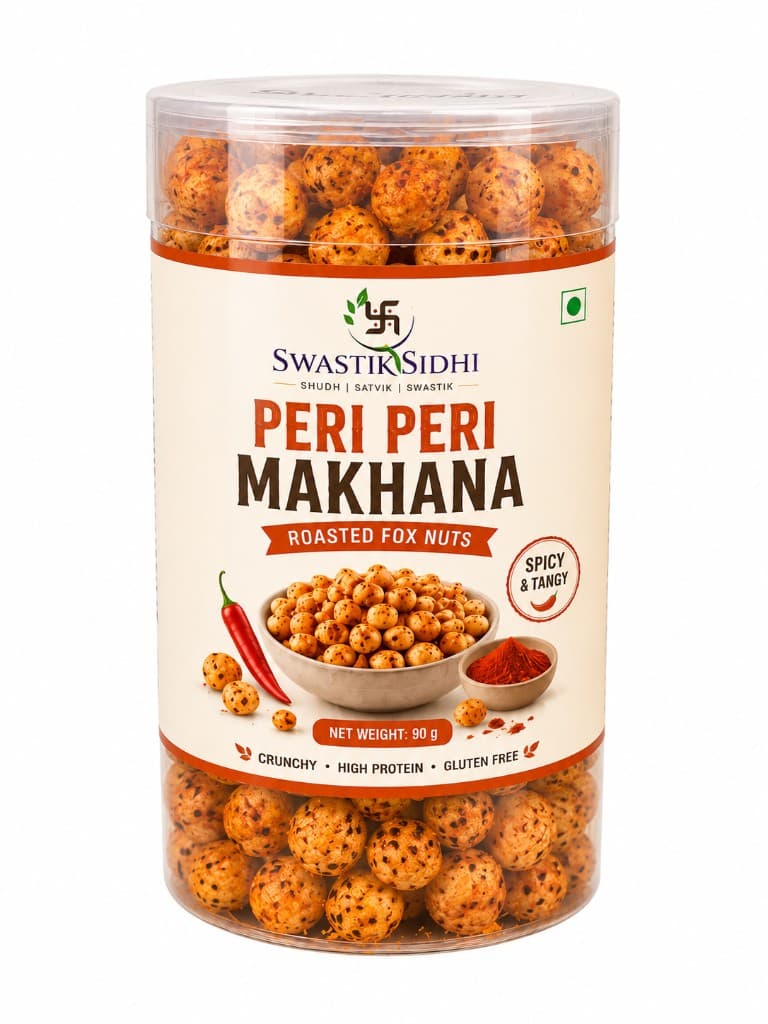
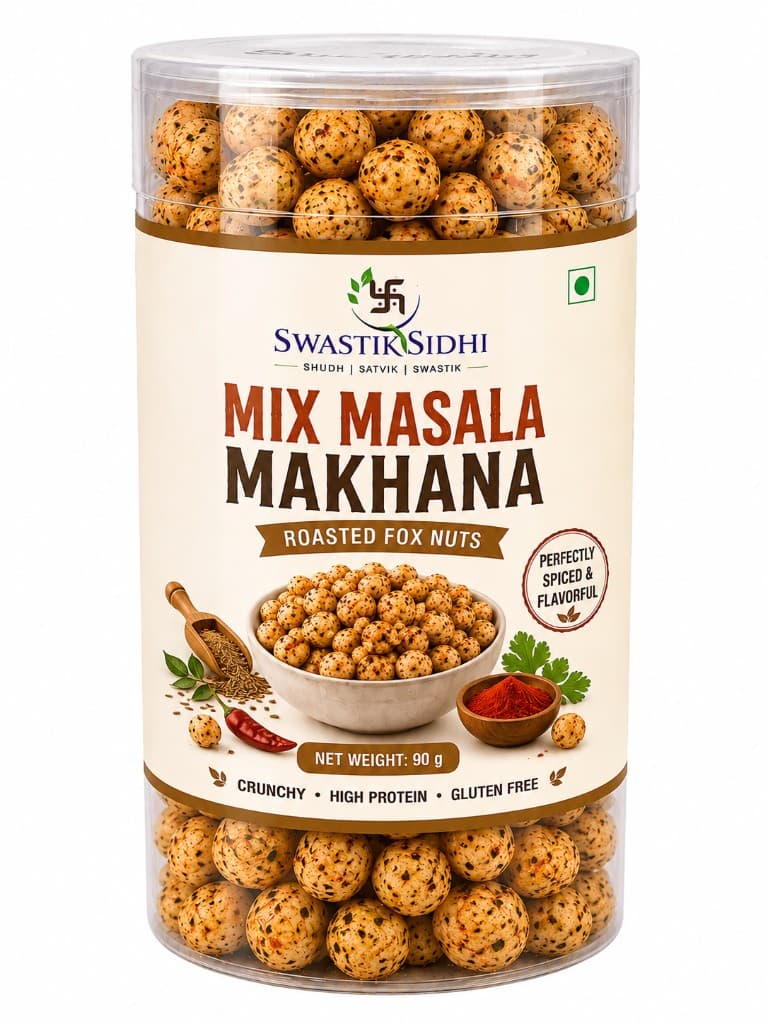
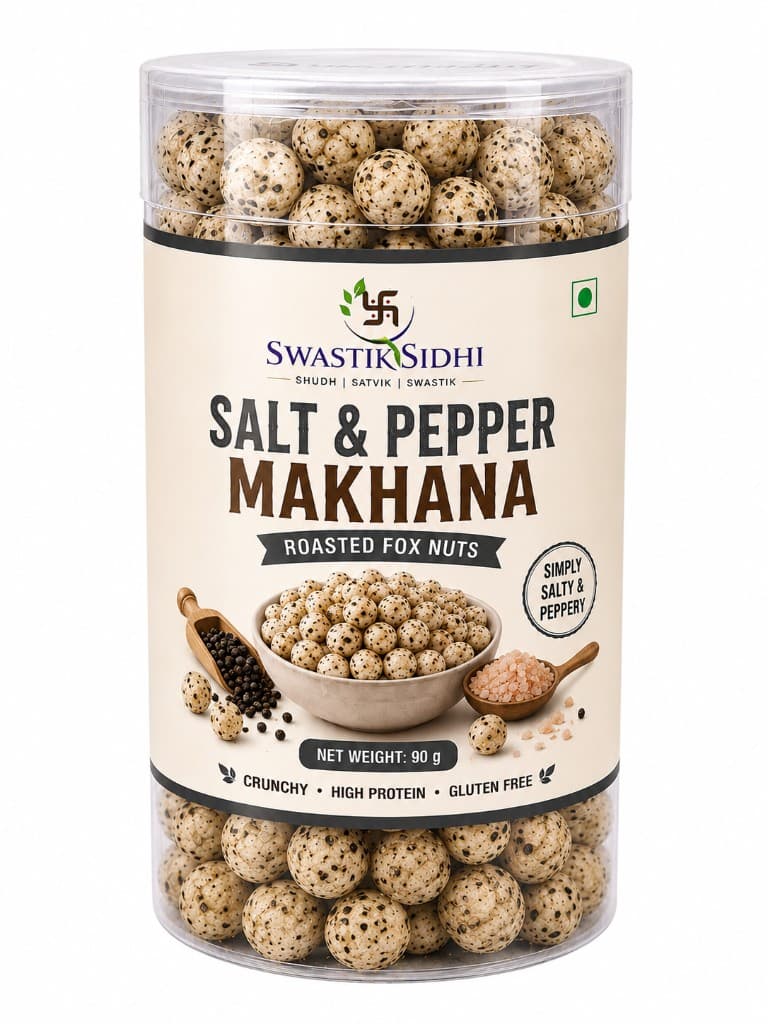
One reason makhana wins for everyday snacking in India is flavour diversity without deep frying. Swastik Sidhi offers seven roasted flavours — peri peri, pudina, mix masala, tangy cheese, cream & onion, tomato and classic salt & pepper — so you never feel you are "dieting."
Each 90g jar is FSSAI registered, batch-sealed and shipped from Darbhanga. You get restaurant-style taste with fox-nut nutrition — something plain popcorn cannot match unless you add calorie-heavy toppings yourself.
Verdict: which should you stock at home?
Choose roasted makhana as your default desk, travel and evening snack if you want higher protein, cleaner labels and Bihar-sourced quality. Keep plain air-popped popcorn for occasional movie nights when you control the oil and salt.
Avoid swapping one ultra-processed snack for another: flavoured microwave popcorn is not a health upgrade over makhana. For weight loss, diabetes-friendly snacking or post-workout refuel, fox nuts deliver more nutrition per calorie — and they crunch just as satisfyingly.
Frequently Asked Questions
- Is makhana healthier than popcorn for weight loss?
- Yes. Makhana offers more protein and fibre per calorie, which improves fullness. Portion 30–40g instead of mindless bowl refills — whether you snack on fox nuts or popcorn.
- Can I replace popcorn with makhana during movies?
- Absolutely. Flavours like peri peri or cream & onion give cinema-style satisfaction without butter-soaked calories. Pour a jar into a bowl and share — kids love tangy cheese makhana too.
- Which has more protein — makhana or popcorn?
- Makhana has roughly three times the protein of plain popcorn per 100g (~9–10g vs ~3g). That makes fox nuts the better choice for vegetarians building daily protein intake.
- Is flavoured makhana still healthy?
- Roasted and lightly seasoned makhana remains far lighter than fried namkeen or butter popcorn. Check ingredients — Swastik Sidhi uses transparent labelling and FSSAI registration for every batch.
Shop Swastik Sidhi
FSSAI registered · Roasted in Darbhanga, Bihar · Pan-India delivery on makhana & sattu
Shop Roasted Makhana